
Kan Li Group · 厉侃课题组
Grounded in theoretical and applied mechanics, we develop distributed sensing on flexible substrates. We focus on flexible electronic microfliers, high-temperature flexible multimodal sensors, and flexible intelligent microsystems, and provide the sensing infrastructure and data foundation for Physical AI.
Research Directions
Grounded in theoretical and applied mechanics, we build distributed sensing on flexible substrates for Physical AI, across three mutually reinforcing directions.
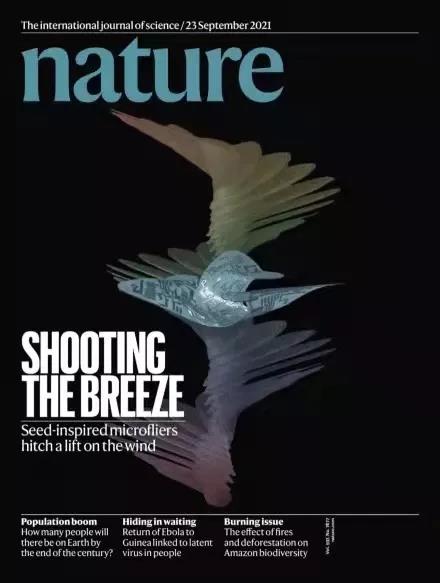 Nature Cover (2021)
Flexible Electronic Microfliers
Bio-inspired 3D microfliers that integrate sensing–communication–actuation to form distributed spatial sensing nodes (Nature 2021 cover).
High-Temperature Flexible Multimodal Sensors
Conformal multimodal flexible sensors on engine hot sections and complex curved surfaces for extreme-environment structural-health monitoring.
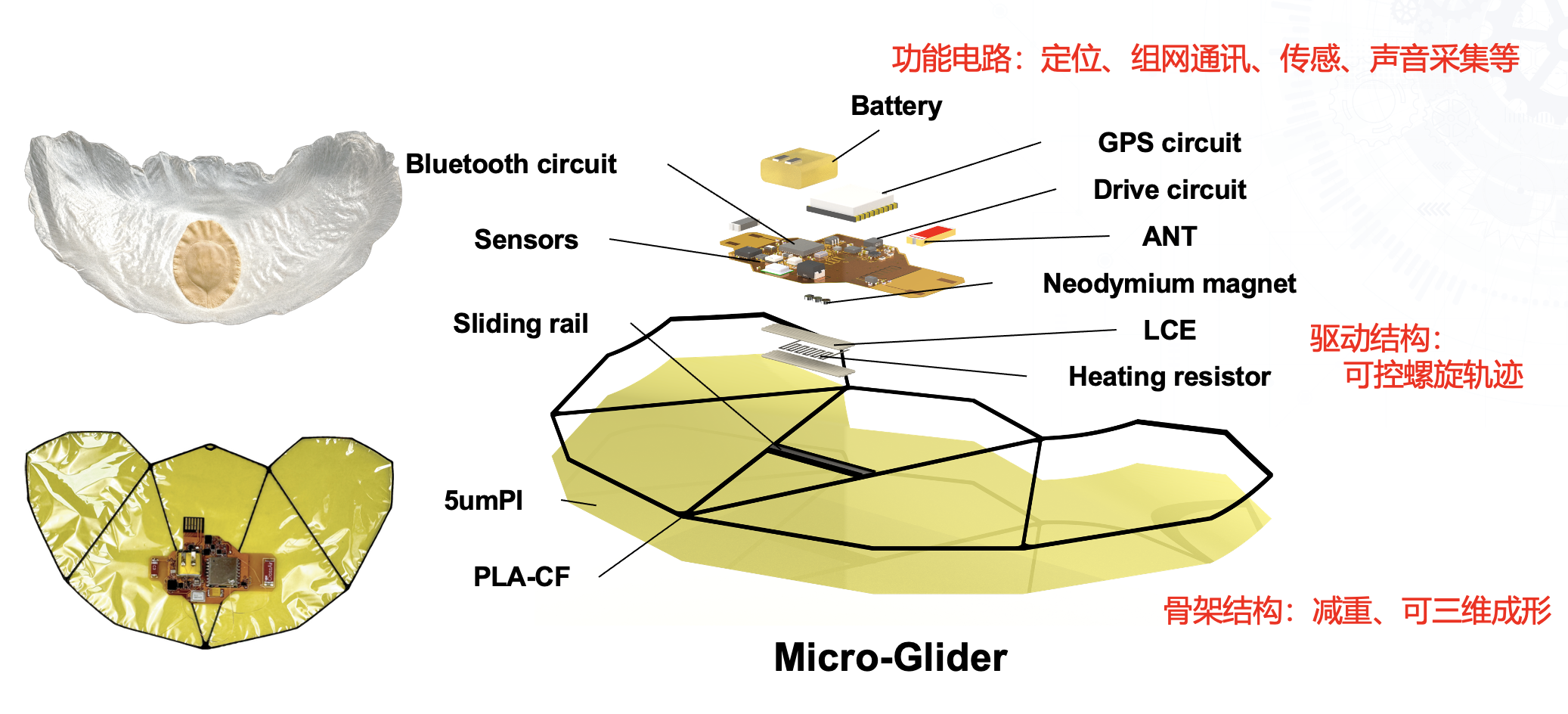 System · Sense–Comms–Actuate
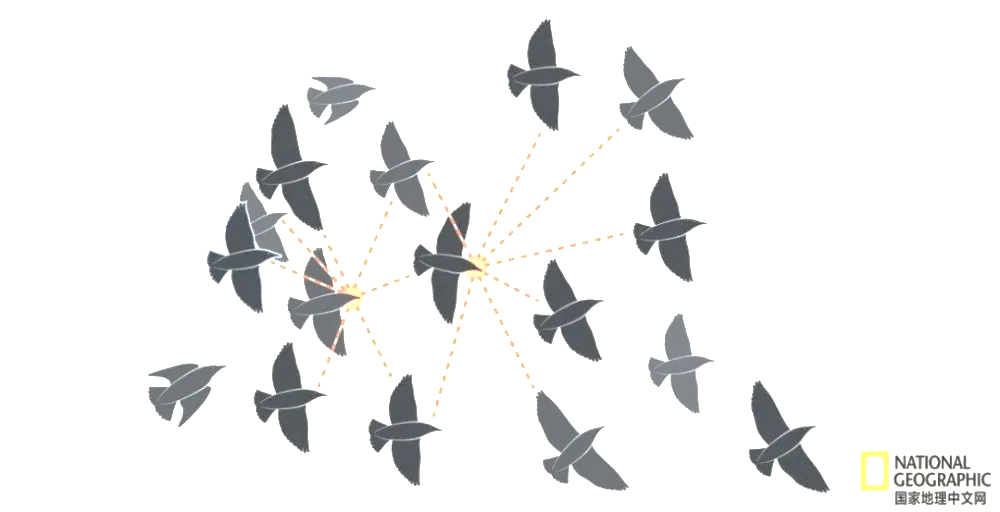 Swarm Intelligence
Flexible Intelligent Microsystems
Flexible intelligent microsystems fusing fiber electronics, soft actuation and neural interfaces for human–machine–environment synergy.
Led by Prof. Kan Li, the group currently has 15 graduate students (9 Ph.D. + 6 Master students). Meet the Team →
Selected Publications
Representative works from recent years (sorted by publication year, descending).
- 2026
- 2026
- 2026
- 2026
- 2026
- 2025
News & Updates
Frontline highlights and research updates from the group.
- 2026.11 Review Review on flexible PZT sensors for dynamic mechanical perception published online
Jinghui Ling, Jinyu Pan, Yanchen Zhu and Kan Li review electromechanical transduction mechanisms, flexible fabrication strategies and cross-frequency-domain applications of flexible PZT sensors (Smart Materials and Devices, online 6 Nov 2026).
- 2026.10 Academic Exchange Kan Li invited talk at the 5th National Conference on Soft Matter Mechanics
Talk: High-Temperature Stretchable Electronics, presenting the group’s progress in high-temperature stretchable electronics for extreme-environment sensing (Wuhan, China).
- 2026.10 Industry Collaboration Group signs collaboration agreement with LDROBOT on flexible 3D tactile sensing
Led by Prof. Kan Li at the State Key Laboratory of Intelligent Manufacturing Equipment and Technology, the collaboration covers flexible 3D tactile sensors and high-density arrays, signal acquisition and 3D force decoupling, and validation on robotic hands and arms.
- 2026.08 Paper Published Advanced Fiber Materials: high-temperature flexible temperature–pressure sensor published
The paper by Zijian Xu, Chao Hou et al. on hybrid metal–ceramic fiber frameworks was published in Advanced Fiber Materials, enabling decoupled temperature and pressure sensing at the same location up to 800 °C.
- 2026.08 Academic Exchange Kan Li invited talk at ICFE 2026
Talk on stretchable ceramic aerogel metamaterial electronics (SCAME) breaking the thermal-stability / stretchability trade-off for extreme-environment sensing (Jiaxing, China).
In the Media
Media coverage of Prof. Kan Li and the group’s research.
- 2026.10 Zhitong Caijing LDROBOT and HUST sign agreement on flexible 3D tactile sensing for embodied robots (HKEX voluntary announcement)
The announcement states the collaboration is led by Prof. Kan Li at the State Key Laboratory of Intelligent Manufacturing Equipment and Technology, covering flexible 3D tactile sensors, arrays and 3D force-decoupling algorithms.
- 2026.10 Sina Finance LDROBOT joins HUST to develop flexible 3D tactile sensing technology
Reports the signed collaboration on flexible 3D tactile sensors and high-density arrays, signal-acquisition hardware and tactile-imaging algorithms, with validation on robotic hands and arms.
- 2025.10 Tsinghua University Kan Li: tackling the “chokepoint” challenges of microfliers
Tsinghua Alumni Association “Returned Tsinghua” series: focusing on microflier research aligned with national needs.
- 2025.09 Baidu Baike Kan Li — Professor and Ph.D. Advisor at HUST School of Mechanical Science and Engineering
Baidu Baike profile: an authoritative summary of his biography, research directions, key achievements, and awards.